

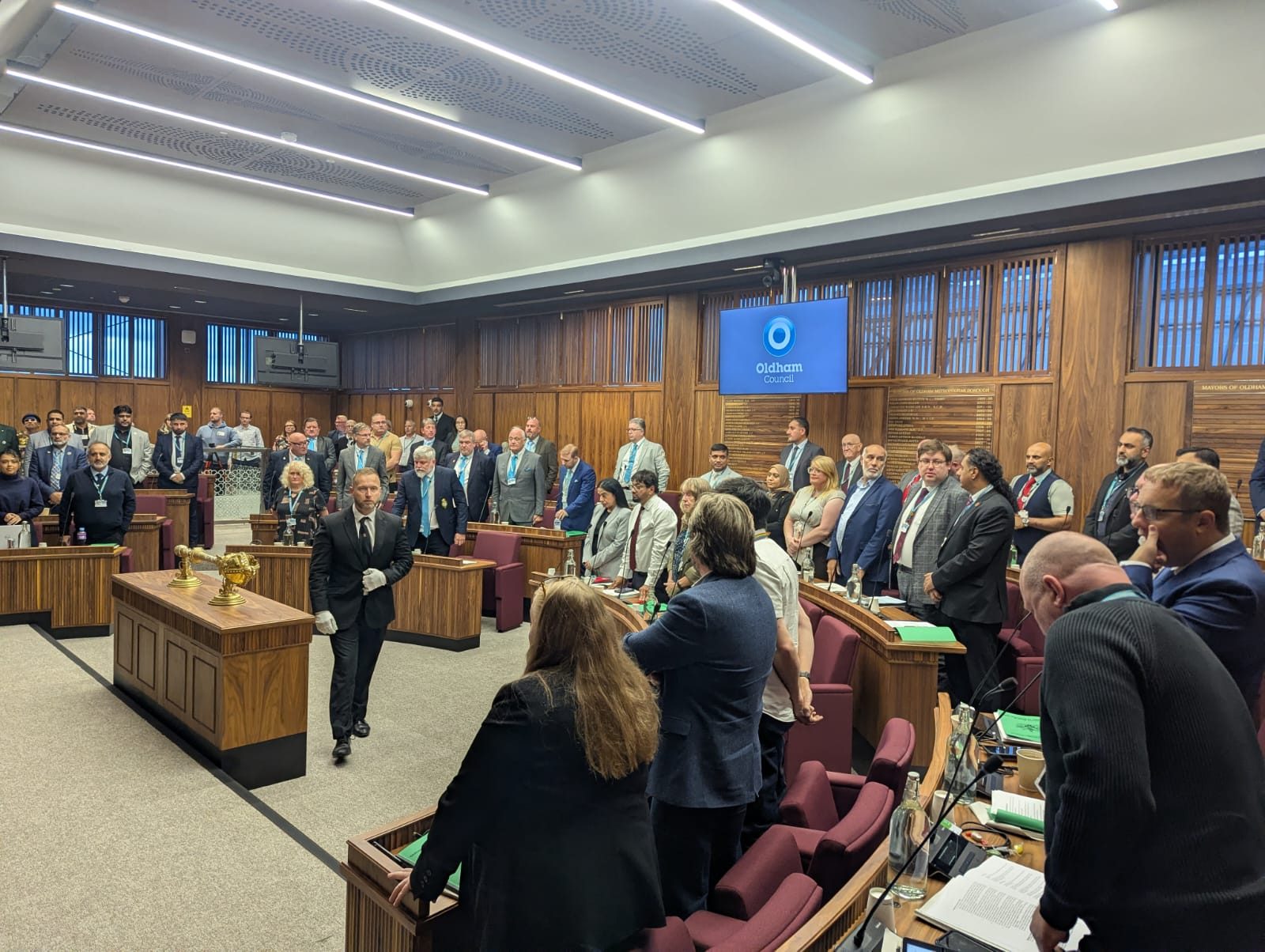
After a gruelling and bruising few weeks of campaigning, a wind of change blew into the Council Chamber in Oldham.
That wind began to show itself as polling stations noticed a marked increase in the number of voters showing up to put their cross next to the candidates of their choice.
At one polling station I attended, the presiding officer and the poll clerks commented that many of the voters had no idea on how to vote and headed for the booth without picking up their ballot paper. As they spoke a young person registered with the poll clerks and had to be called back to pick up their ballot papers.
When I got to the count at the Loom, a good few hours before the count had even started, a candidate for one of the three main parties informed me that when watching the ballot papers being validated, they saw a mass of crosses next to Reform.
So, what was the outcome?
Let’s go to the headline figures with Labour losing eight seats and reducing their presence in the chamber to 18. Most of those were lost to Reform UK whose voters came out in force to elect candidates with little or no political experience in resounding numbers to increase Reform’s presence in the chamber from three to 16 councillors.
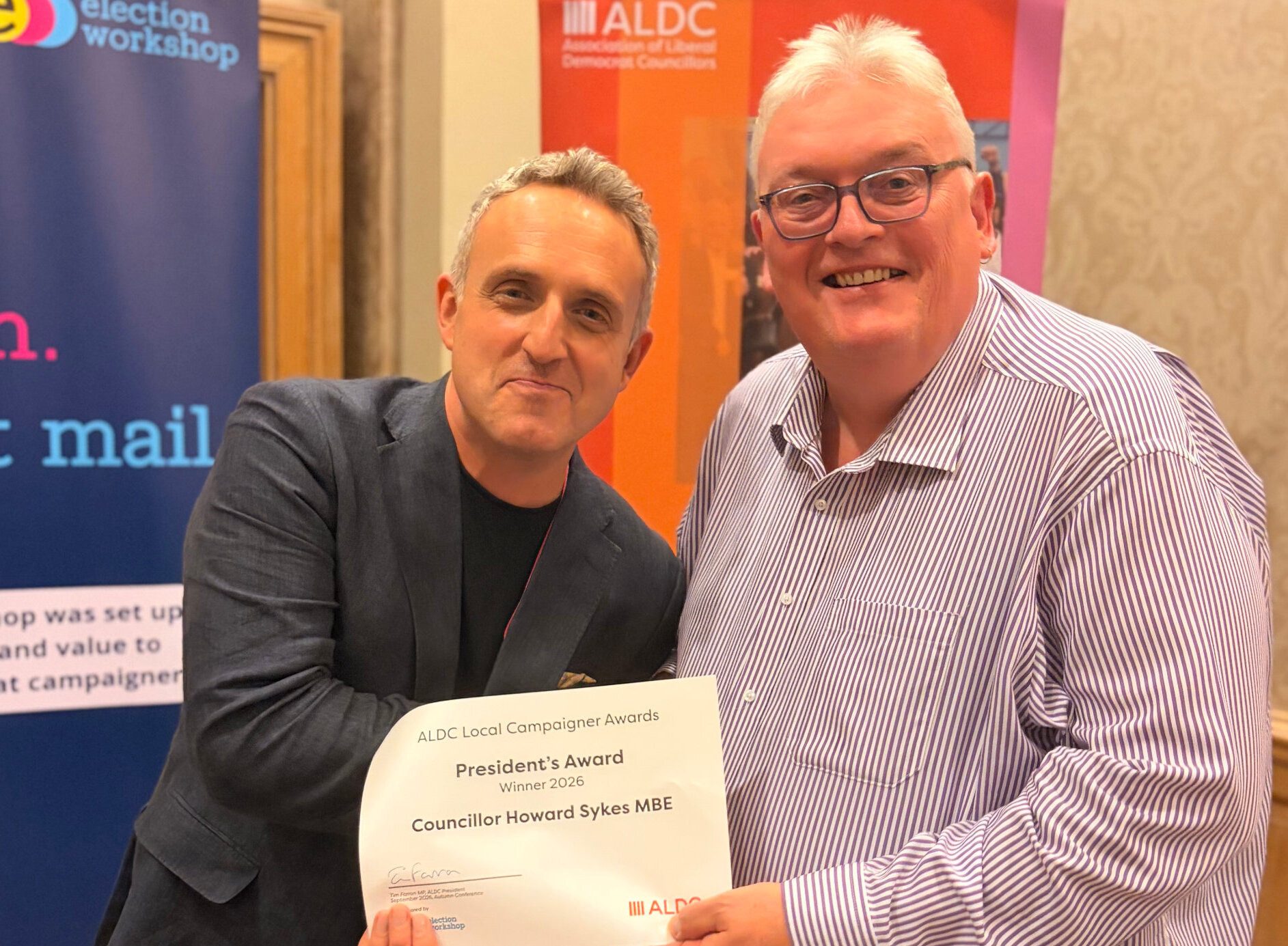
Labour weren’t the only casualty to the Reform onslaught with the Liberal Democrats losing the seat of their former leader, Howard Sykes, in Shaw to Reform. A total of three seats were lost by the Liberal Democrats and that was exactly matched by the Conservatives. The Failsworth Independent Party lost Failsworth East to Reform as well.
The Oldham Group gained the former Labour stronghold of Alexandra from Labour pushing the former deputy leader and cabinet member, Shaid Mushtaq into second place.
The turnout that led to this seismic change was a massive 46.6 percent. That compares with past local elections in Oldham and the country at large that would average in the region of 30 percent. That means that in some areas we saw a doubling of turnout with Reform candidates achieving voting records touching the 2,000 mark in areas where 1,000 would have meant success in the past.
But what does this mean for the future of Oldham’s political makeup?
It is clear that there is no majority party outcome and that would not have been expected anytime prior to the election with the largest party, Labour, defending 12 seats and having depended upon Shaw and Crompton Independents and Failsworth Independents to govern since 2024.
Such a coalition will be significantly harder to achieve with parties being of such diverse political persuasions.
Labour remains the largest party but there is no immediate sign of a coalition forming around them. Equally, informal conversations with surviving and departing members of the Council made clear that their party would be highly unlikely to ally with Reform UK or The Oldham Group.
Of course, there is time for hard bargaining before the Council Annual Meeting on 20 May when leadership, mayoral and cabinet matters will be decided.
Watch this space.
Comments (0)
Comments are moderated before publishing. Links and abusive language are not allowed.
No approved comments yet.